Reviewing the Christmas Chicken PNG for Holiday Stitching
As a designer who spends more time staring at stitch maps than actual fabric, I have learned to look past the glossy preview images. When I first opened the Christmas Chicken PNG, my immediate reaction was not just about the cuteness factor, though it is undeniably charming. My mind went straight to the mechanics of translation. How does this illustration move from a flat digital asset into a tactile, textured embroidery project? For those of us running a craft business or selling on Etsy, the gap between a pretty picture and a sellable handmade product is where the real work happens.
The Visual Personality and First Impressions
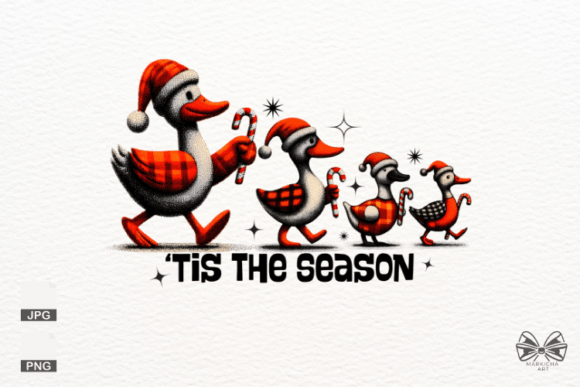
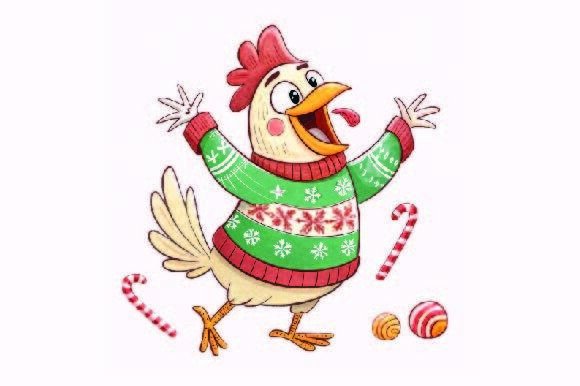
This design falls squarely into the category of whimsical Illustrations that have become incredibly popular in recent years. The mood is lighthearted, festive, and slightly quirky. It avoids the stiff, traditional motifs we often see in holiday decor, opting instead for a character-driven approach. For an Etsy seller, this distinction matters. Buyers are increasingly looking for personality in their personalized gift items, and a chicken wearing holiday attire offers a narrative that a standard snowflake simply cannot.
The layout appears balanced, which is crucial for embroidery. If the visual weight is too heavy on one side, the garment will pucker or twist during wear. From a reviewer’s standpoint, the silhouette looks clean. This suggests that when converted into a machine embroidery design, the outlines should remain crisp rather than becoming a muddy mess of overlapping threads. However, a PNG is a raster image, meaning it is made of pixels, not vectors or stitch data. This is a critical distinction for any digital embroidery file workflow.
Real-World Application: The Tote Bag Test
To truly evaluate this asset, I imagined applying it to a canvas tote bag design. This is a staple small shop product during the fourth quarter. The natural texture of canvas provides a sturdy base, but it also has a visible weave. If the Christmas Chicken PNG relies on very fine, delicate lines, they might get lost in the fabric grain. I would recommend using this motif on a medium-to-heavy weight cotton or linen blend.
In this scenario, the design would likely need to be digitized with a combination of satin stitch for the borders and fill stitch for the larger colored areas. The contrast between the thread and the fabric is key. If you are stitching on a natural beige tote, ensure your thread colors pop. A dark outline with vibrant holiday hues inside would create a sticker-like effect that customers love. It feels modern, intentional, and high-value.
Apparel and Wearability Considerations
Moving beyond accessories, let’s consider custom apparel. A sweatshirt embroidery project using this character could be a bestseller, but placement is everything. On a curved surface like a chest or sleeve, the design must not be too wide. If the original PNG is wide and short, it might distort when stitched onto a ribbed cuff or a rounded shoulder. I would advise scaling it down for a left-chest logo placement or keeping it central but moderate in size for a front graphic.
For baby embroidery, such as on a onesie or burp cloth, softness is paramount. You cannot use dense stitching on delicate skin. If you adapt this Illustrations concept for infants, you must reduce the stitch density significantly. Consider using an applique design technique where the chicken shape is cut from festive fabric and merely tacked down with a running stitch or narrow satin border. This keeps the item soft, washable, and comfortable while still showcasing the cute design.
Technical Challenges and Fabric Choices
Not every fabric is a friend to complex graphics. When working with the Christmas Chicken PNG as a reference for digitizing, you must be wary of textured fabrics like fleece or terry cloth. The pile of the fabric can swallow small details. If the chicken has tiny eyes or intricate feather details, they may disappear. In these cases, simplify the design. Remove the smallest elements and focus on the bold shapes.
Dark fabrics present another hurdle. If you are stitching on a navy or black hoodie, you cannot rely on the fabric color to define the shape. You will need a solid underlay and potentially a lighter background fill to make the chicken visible. Always test your embroidery file on scrap fabric first. Do not skip this step. Seeing how the stabilizer interacts with the fabric and how the threads tension out can save you from ruining expensive blanks.
Commercial Viability and Brand Consistency
For commercial embroidery professionals, consistency is brand currency. If you use this design across a line of products—say, matching aprons and tea towels for a kitchen set—the execution must be uniform. The hoop size you choose will dictate the level of detail you can retain. A 4x4 hoop will force you to simplify, while a 5x7 or larger hoop allows for more nuance. Ensure that the final finished product looks professional, not homemade in a negative sense. Clean trim backs, proper tension, and no bird’s nests of thread are non-negotiable.
Using a printable mockup can help visualize the end result before you stitch a single thread. Place the PNG into a digital template of a mug, shirt, or bag. Does it look balanced? Does it feel crowded? This pre-visualization step helps manage customer expectations and reduces the likelihood of returns due to "it looked different online" complaints.
Final Designer Notes
Before you commit to producing inventory based on the Christmas Chicken PNG, check the licensing. Since this is provided as an illustration and not necessarily a pre-digitized stitch file, you need to confirm if you have the rights to use it for commercial goods. Many design assets are for personal use only unless a commercial license is purchased. Never assume.
Additionally, verify the resolution. A low-resolution PNG will pixelate when enlarged, making it impossible to trace clean vector lines for digitizing. If the edges are jagged, your satin stitches will follow those jagged paths, resulting in a poor-quality embroidered patch or garment. Always start with the highest quality source file available.
In summary, this design has strong potential for holiday sales if handled with technical care. It fits well into the current trend of quirky, character-based holiday decor. Whether you are creating a holiday embroidery piece for your own home or stocking your online store, treat the PNG as a starting point, not the final product. The magic happens in the digitizing, the fabric selection, and the precise stitching. Keep your thread colors vibrant, your stabilizer appropriate, and your expectations realistic. Happy stitching.