Reviewing the Christmas Seamless Sublimation Pattern for Embroidery
As a designer who spends more time staring at stitch previews than actual fabric, I have learned to be skeptical of digital assets that promise versatility. When I first loaded the Christmas Seamless Sublimation Pattern into my workspace, my initial reaction was not immediate excitement, but rather a careful assessment of its structural integrity. This is not just a pretty picture; it is a complex visual resource that belongs to the Illustrations category, and translating such detailed graphics into thread requires a strategic approach. For embroidery designers, Etsy sellers, and craft business owners, understanding how this pattern behaves before hitting the "start" button on your machine is crucial for maintaining professional standards.
First Impressions: Mood and Visual Personality
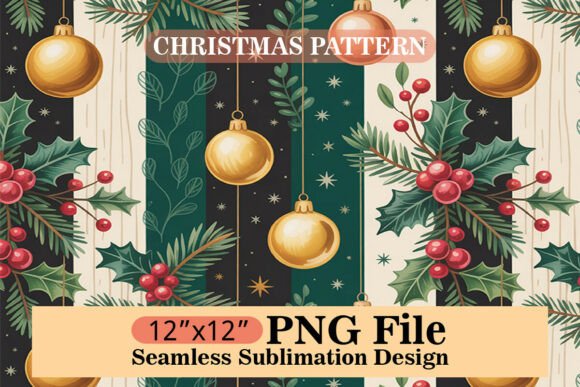
The immediate mood created by this pattern is one of nostalgic warmth mixed with modern clarity. Unlike cluttered holiday graphics that rely on excessive noise, this design offers a balanced layout. The shape and theme are distinct, making it easy to isolate elements if you are not using the full seamless repeat. For a handmade product, visual personality is everything. Customers do not just buy an item; they buy the feeling it evokes. This pattern succeeds in creating a festive atmosphere without feeling cheap or overly commercial.
However, as an experienced reviewer, I look past the colors on the screen. I think about how these shapes translate into satin stitch and fill stitch territories. The detail level is moderate, which is a double-edged sword. It provides enough intricacy to look high-end on a large surface like a pillow cover or tote bag, but it demands respect when scaled down. If you are planning to use this for tiny accents on a baby onesie, you must be prepared to simplify the design significantly.
Real-World Application: From Screen to Stitch
To test the viability of this asset, I imagined a specific real-life scenario: preparing a custom embroidered sweatshirt for a boutique client. The goal was to create a statement piece that felt luxurious yet festive. Using the Christmas Seamless Sublimation Pattern as a reference for placement and color palette, I evaluated how the motifs would sit on a heavy cotton blend.
In this context, the pattern performs exceptionally well as a background element or a large chest print. The visual flow allows for creative cropping, meaning you are not forced to use the entire repeat. For apparel decorators, this flexibility is invaluable. You can extract a single motif for a pocket logo or use a larger section for back embroidery. The key is managing the stitch density. Because sublimation patterns are often dense with color and detail, directly converting them into a machine embroidery design without adjustment can lead to puckering and thread breaks.
For those running a small shop product line, consider using this pattern for non-apparel items where stitch density is less of a constraint. A kitchen towel or a structured tote bag can handle more intricate stitching than a stretchy t-shirt. The pattern’s inherent charm shines in home decor, such as pillow covers or wall hangings, where the viewer has time to appreciate the finer details of the embroidery project.
Navigating Technical Challenges and Fabric Constraints
While the aesthetic appeal is strong, there are areas where caution is necessary. This design should be used carefully on textured fabrics or dark materials. If you are working with a dark fabric, you will need to ensure your thread colors have sufficient contrast, or consider using an underlay stitch that supports the top threads effectively. On stretchy fabric, such as jersey knits used in caps or baby clothes, the risk of distortion is high.
Curved surfaces present another challenge. Embroidering this pattern on a cap requires precise hooping and potentially breaking the design into smaller, manageable sections. Tiny lettering or fine lines within the pattern may get lost if the hoop size is too small or if the needle deflection is not accounted for. Always inspect small details in your digitizing software. What looks crisp on a monitor can become a muddy mess of thread if the running stitch paths are not optimized.
Furthermore, products that need frequent washing, like aprons or baby items, require robust construction. Dense stitch areas can make fabric stiff and uncomfortable. I recommend testing the design on scrap fabric first to gauge the hand feel of the finished product. Use a proper stabilizer—cut-away for stretchy garments and tear-away for stable wovens—to ensure the design holds its shape over time.
Enhancing Brand Value and Customer Trust
How does this pattern affect your brand? In the world of online selling, particularly for Etsy sellers and digital product sellers, presentation is paramount. Using a high-quality reference like the Christmas Seamless Sublimation Pattern allows you to create stunning printable mockups and digital embroidery file previews. Even if you are selling the physical item, the perceived value increases when the design looks intentional and polished.
Consistency in your design assets builds customer trust. If your holiday collection features cohesive themes, buyers are more likely to return. This pattern fits seamlessly into a broader narrative of quality handmade goods. It elevates a simple personalized gift into a boutique-level item. For commercial embroidery projects, professionalism is key. A well-executed design signals to the buyer that you care about the details, which directly influences buyer engagement and recognition.
Practical Notes for the Serious Designer
Before you commit to production, here are my essential checks:
- Test on Scrap Fabric: Never skip this step. See how the thread interacts with your specific material.
- Check Thread Color Contrast: Ensure your chosen palette stands out against the fabric background.
- Review Stitch Density: Adjust density settings to prevent puckering, especially on lighter fabrics.
- Confirm Hoop Size: Make sure your machine can accommodate the desired scale of the design.
- Inspect Small Details: Zoom in on your digitized file to catch any potential jump stitches or loose ends.
- Mockup in Black and White: This helps you see the structural balance of the design without the distraction of color.
- Verify Licensing: Since this is a sublimation pattern, confirm whether it can be used for commercial embroidery projects. Check if you need to modify it significantly to claim it as your own design asset.
Ultimately, the Christmas Seamless Sublimation Pattern is a powerful tool in your creative arsenal, but it is not a plug-and-play solution for every scenario. It requires the eye of a skilled designer to translate its sublimation-ready beauty into thread. By respecting the limitations of fabric and machine, you can transform this illustration into a tangible, high-value product that delights customers and strengthens your craft business. Whether you are creating a custom apparel line or a set of holiday gifts, let practical judgment guide your stitching process.